What Is a Vehicle Inspection Form?
A vehicle inspection form is a structured checklist used to assess the condition of a vehicle before and after use. It records the vehicle’s mechanical condition, visible damage, safety features, and overall roadworthiness.
Fleet operators often use these forms to:
- Track vehicle condition
- Identify maintenance issues early
- Reduce liability disputes
- Ensure compliance with road safety regulations
- Maintain asset value
In Australia, fleet vehicles must meet road safety standards set by authorities such as the National Heavy Vehicle Regulator and respective state transport departments.
Why Vehicle Inspection Forms Are Essential for Fleet Owners?
1. Improve Safety
Regular inspections help detect issues like worn tyres, faulty brakes, fluid leaks, or lighting problems before they become serious hazards.
This reduces:
- Road accidents
- Breakdown risks
- Driver injuries
- Legal liability
2. Stay Legally Compliant
Fleet owners must comply with regulations under the Heavy Vehicle National Law (HVNL) and relevant state laws.
Failure to maintain safe vehicles can result in:
- Fines
- Vehicle defects
- Insurance complications
- Business penalties
Inspection forms provide documented proof that you’ve taken reasonable steps to ensure safety.
3. Reduce Maintenance Costs
Early issue detection means:
- Smaller repair bills
- Fewer emergency breakdowns
- Reduced downtime
- Extended vehicle lifespan
Preventative maintenance is always cheaper than reactive repairs.
4. Protect Against Damage Disputes
For fleet operations involving multiple drivers, vehicle handovers, or temporary allocations, inspection forms protect you from damage claims.
Pre- and post-use inspections clearly document:
- Scratches
- Dents
- Interior damage
- Fuel levels
- Odometer readings
This creates accountability and transparency.
What Should a Vehicle Inspection Form Include?
A professional fleet inspection form typically includes:
1. Vehicle Details
- Registration number
- VIN
- Make & model
- Odometer reading
- Date and time
2. Exterior Condition
- Body damage
- Windscreen cracks
- Tyre condition & pressure
- Lights & indicators
- Mirrors
3. Interior Condition
- Seats
- Dashboard warning lights
- Seatbelts
- Air conditioning
- Cleanliness
4. Mechanical Checks
- Engine oil level
- Coolant level
- Brake function
- Battery condition
- Steering performance
5. Safety Equipment
- Fire extinguisher
- First aid kit
- Reflective triangles
- Reverse camera
6. Driver Declaration
- Driver signature
- Notes on existing damage
- Reported issues
Types of Vehicle Inspection Forms
Fleet owners generally use different forms depending on purpose:
-
Daily Vehicle Inspection Checklist
Used before starting a shift.
-
Pre-Trip & Post-Trip Inspection
Common in logistics and heavy vehicle fleets.
-
Annual Roadworthy Inspection
Required in some states for compliance.
-
Damage Report Form
Used when new damage is identified.
Paper vs Digital Vehicle Inspection Forms
Paper-Based Forms
Pros:
Cons:
- Easy to lose
- Hard to track
- No real-time updates
- Manual data entry
Digital Vehicle Inspection Forms (Recommended)
Modern fleet owners are moving toward digital systems because they:
- Allow mobile checklists
- Store data in the cloud
- Provide real-time reporting
- Attach photos of damage
- Track recurring issues
- Automate maintenance reminders
Digital inspection systems integrate seamlessly with fleet management platform, improving operational efficiency.
Best Practices for Fleet Owners
To maximise the effectiveness of vehicle inspection forms:
- ✔ Train drivers on proper inspection procedures
- ✔ Make inspections mandatory
- ✔ Use digital forms with photo evidence
- ✔ Schedule regular audits
- ✔ Link inspections to maintenance workflows
- ✔ Keep records for compliance
Common Mistakes to Avoid
- ❌ Skipping daily inspections
- ❌ Ignoring minor damage reports
- ❌ Not keeping digital backups
- ❌ Failing to follow up on reported issues
- ❌ Using outdated paper-based systems
Small gaps in inspection processes can lead to major operational risks.
How Vehicle Inspection Forms Improve Fleet Profitability?
Fleet vehicles are business assets. Protecting them improves:
- Asset lifespan
- Resale value
- Insurance claim success
- Operational uptime
- Driver accountability
Over time, structured inspections reduce total cost of ownership (TCO) significantly.
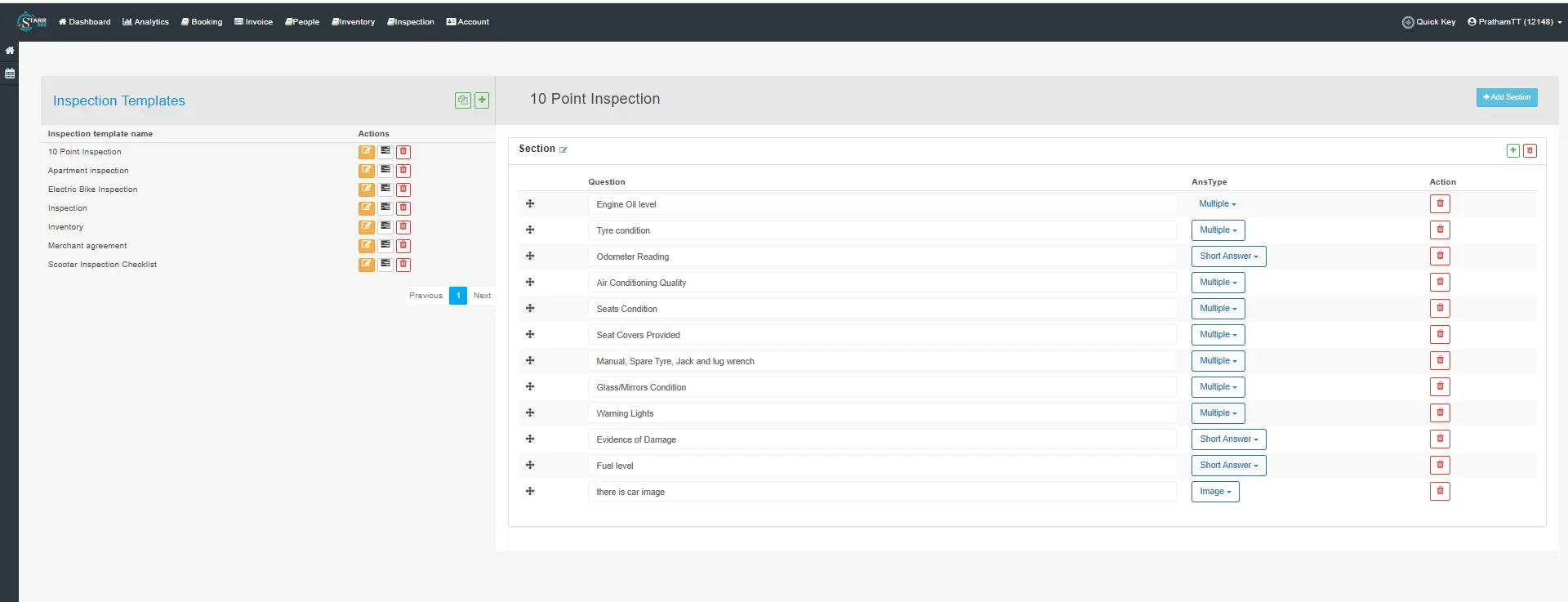
How RentAAA Pro Simplifies Vehicle Inspection Management
For fleet owners looking to streamline inspections, RentAAA Pro offers an advance fleet management software. Here’s what makes it effective:
1. Customisable Checklists
Create inspection forms tailored to your fleet, including:
- Interior and exterior checks
- Mechanical components
- Safety equipment
- Photo uploads and comments
2. Mobile-Friendly Inspections
Drivers complete forms directly on smartphones or tablets, with:
- Electronic signatures
- Photo documentation
- Instant submission
3. Audio-Guided Inspection (New Feature!)
RentAAA Pro now provides voice-guided instructions during inspections, helping drivers perform checks correctly and efficiently. For example, the system can instruct:
- “Take a photo of the front bumper”
- “Check tyre pressure”
- “Ensure all lights are functioning”
This ensures consistent inspections across your fleet, reduces missed steps, and guides drivers even if they’re new or unfamiliar with the process.
4. Real-Time Alerts & Defect Tracking
Reported issues trigger instant notifications to fleet managers, ensuring timely maintenance and preventing safety risks.
5. Scheduled & Recurring Inspections
Set daily, weekly, or monthly inspections with automatic reminders, ensuring every vehicle is checked on time.
6. Dashboard & Analytics
Monitor inspection completion rates, track recurring defects, and generate reports for compliance or insurance purposes.
7. Easy Export & Compliance Records
All inspection history, including guided steps and submitted photos, can be exported for audits, insurance claims, or regulatory compliance saving time and providing proof of due diligence.
RentAAA Pro turns vehicle inspections into a guided, automated, and error-free process, now enhanced with audio-guided instructions to make every inspection consistent and accurate.
Download RentAAA Application
Your easily rental management solution
Conclusion
A vehicle inspection form isn’t just paperwork it’s a risk management tool, a compliance safeguard, and a cost-control system for fleet owners.
In today’s competitive transport environment, especially across Australia, fleets that adopt structured and digital inspection processes gain a serious operational advantage.If you manage multiple vehicles, implementing a professional vehicle inspection system should be a top priority.
Also read
rent roll,
rental car agreement,
fleet card ,
fleet insurance ,
fleet planning ,
telematics.
FAQs
1. How often should fleet vehicles be inspected?
Daily inspections are recommended for active fleet vehicles. Additionally, scheduled inspections (weekly, monthly, or before long trips) ensure ongoing safety and compliance.
2. What should be included in a vehicle inspection form?
A complete inspection form typically includes: vehicle details, exterior condition, interior and safety features, mechanical checks, and driver notes with signature. Photos or comments are often added for documentation.
3. How does RentAAA Pro help manage vehicle inspections?
RentAAA Pro provides a complete digital solution, including customisable checklists, mobile inspections, real-time alerts, dashboards for analytics, and exportable compliance records. It also features audio-guided instructions to ensure consistent and accurate inspections
across your fleet.